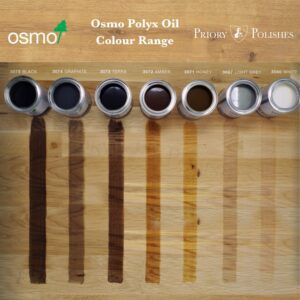


Osmo Polyx Oil Tints
Price range: £12.52 through £106.15
Select options
This product has multiple variants. The options may be chosen on the product page
Explore our range of wood wax and furniture wax polish for protecting, finishing and enhancing wooden furniture and timber surfaces. We stock traditional beeswax and paste waxes alongside liming wax, patinating wax, microcrystalline wax and hard wax finishes. Choose from trusted brands including Priory Polishes, Fiddes, Liberon, Osmo, Mylands, Briwax and Renaissance Wax for antique furniture, decorative woodwork, floors and other suitable timber surfaces.
Price range: £12.52 through £106.15


Price range: £16.20 through £99.20


£16.95


Price range: £8.25 through £16.95


Price range: £12.52 through £102.79


Price range: £12.29 through £72.95


£14.00

Price range: £5.99 through £9.99



£15.00


Price range: £12.52 through £97.30


Price range: £13.95 through £19.99


Price range: £35.33 through £113.23


£15.95


£16.95

Price range: £12.29 through £72.95

Price range: £12.29 through £72.95


£65.95
Price range: £6.99 through £12.99

£9.99
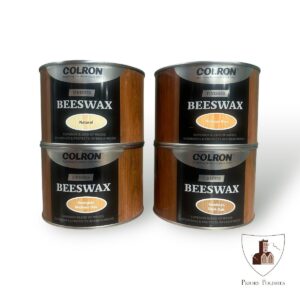
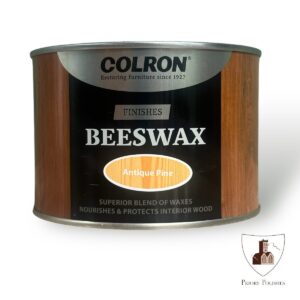
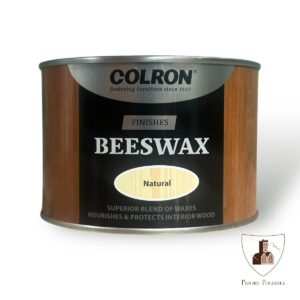
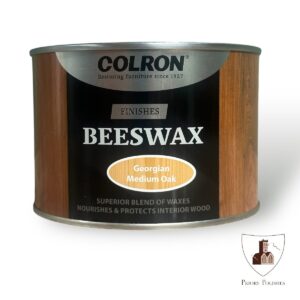
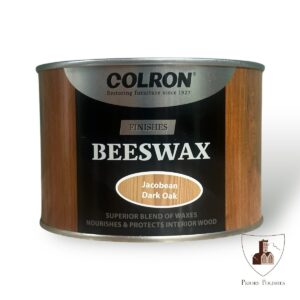
£15.95
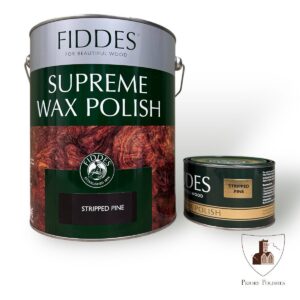

Price range: £15.00 through £65.95
Wood wax is a traditional way of finishing and maintaining suitable wooden surfaces. Furniture wax can enhance the appearance of timber, bring out the depth and character of the wood and leave a smooth, polished surface.
Our range includes beeswax furniture polish, paste wax, liquid wax, microcrystalline wax, liming wax, patinating wax and hard wax finishes. With products available in clear, natural and coloured finishes, there are options for antique furniture, decorative woodwork, floors and other suitable timber surfaces.
Traditional furniture wax is widely used when caring for antique and period furniture. Before applying wax, the existing surface should be assessed and cleaned where necessary. A suitable polish reviver can be useful for cleaning and refreshing an existing finish before applying furniture wax.
Once the surface is clean and suitable for waxing, apply the wax in thin coats and buff according to the individual product instructions. Several thin applications can be preferable to applying a heavy layer of wax at once.
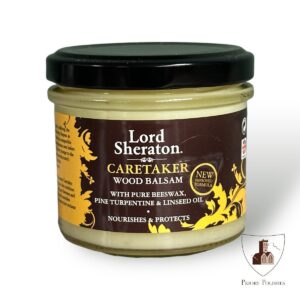
Beeswax furniture polish and traditional paste waxes remain popular for finishing wooden furniture. They can be used to enhance the appearance of suitable timber and produce anything from a soft natural sheen to a more highly polished surface, depending on the product and method of application.
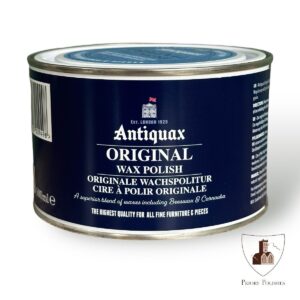
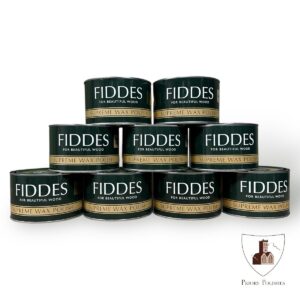
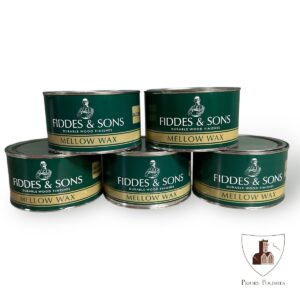
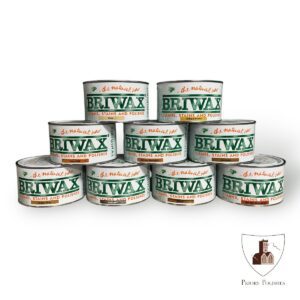
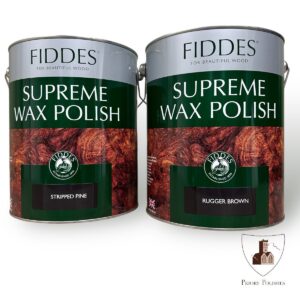
Our range includes Priory Polishes Finishing Bees Wax Furniture Polish, Fiddes Supreme Wax Polish, Briwax, Liberon Black Bison and other traditional furniture waxes in a variety of colours and formulations.
Coloured furniture wax can be useful when restoring timber, deepening an existing colour or adding colour to suitable unfinished or previously prepared wood. Different wax colours can also be used to highlight details and help blend repaired areas with the surrounding finish.
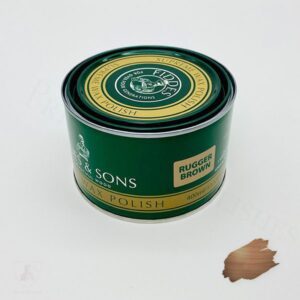
We stock a range of coloured wood waxes, including oak, mahogany, brown, black and other traditional furniture shades. Always test the colour on an inconspicuous area before treating the main surface.
Liming wax is used to create a decorative limed or whitewashed appearance on suitable open-grained timber. It can highlight the grain and create a distinctive pale finish on furniture and other wooden surfaces.
Products such as Liberon Liming Wax and Fiddes Liming Wax can be used as part of decorative wood-finishing projects. The final appearance will depend on the timber, preparation and application method.
Patinating wax can be used to create an aged or weathered appearance on suitable wood and decorative surfaces. Dark and coloured waxes can be worked into carved details, mouldings and recessed areas to emphasise the character of the piece.
Liberon Black Patinating Wax and other coloured patinating products are useful for decorative ageing, highlighting detail and changing the appearance of suitable wooden surfaces.
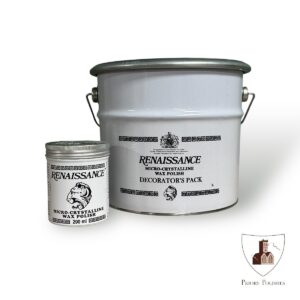
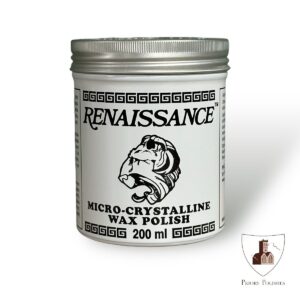
Microcrystalline waxprovides another type of protective wax finish and is used on a variety of materials as well as suitable wood. Renaissance Wax is a well-known example and can be used where a clear, hard-wearing wax finish is required.
As with any finishing product, check the manufacturer’s instructions to make sure the wax is appropriate for the surface and finish you are working with.
Wooden floors require a finish appropriate for the level of wear they receive. For an existing waxed floor, a suitable floor wax can be used to maintain and refresh the surface. Our separate Floor Wax category contains products specifically intended for floor care.
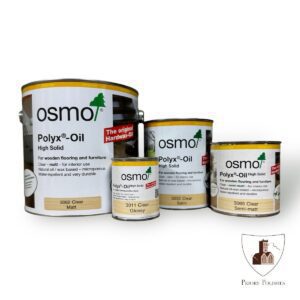
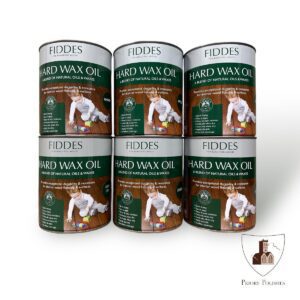
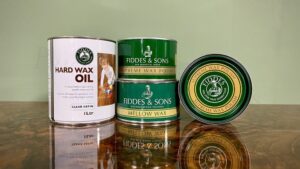
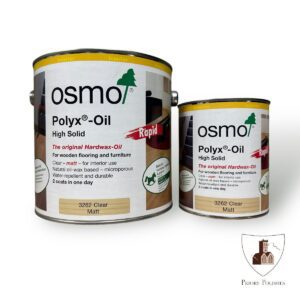
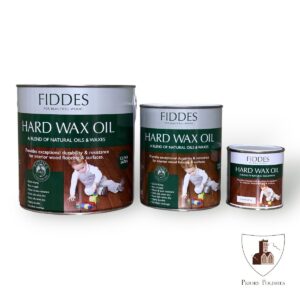
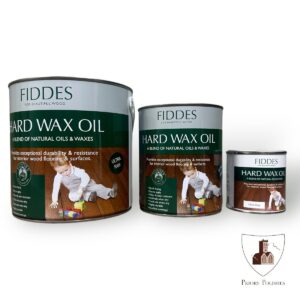
For newly sanded wooden floors, products such as hard wax oil may be more appropriate than a traditional furniture paste wax. Osmo Polyx Oil, Osmo Wood Wax Finish and Fiddes Hard Wax Oil are examples of hard-wax finishes available within our range.
Although the terms can sound similar, traditional furniture wax and hard wax oil are different types of wood finish. Furniture wax is generally used as a finishing or maintenance product, while hard wax oils combine oils and waxes to provide a more durable finish for suitable wooden surfaces.
For floors, worktops and other areas subject to greater wear, always check whether the product is specifically intended for that application rather than assuming a furniture wax is suitable.
Before waxing, make sure the surface is clean, dry and suitable for the chosen product. On furniture with an existing finish, it may be appropriate to clean and revive the surface before applying wax.
Apply the wax according to the manufacturer’s instructions, generally working with a thin, even coat rather than applying excessive amounts. Allow the product to dry as directed and then buff the surface where required to develop the desired sheen.
When working on antique furniture, always test the wax on a small, inconspicuous area first. This is particularly important when using coloured, liming or patinating waxes, as the final appearance will vary according to the existing finish and timber.
The right wood wax depends on the type of timber, the existing finish and the appearance you want to achieve. Traditional beeswax and paste waxes are commonly used on furniture, while liming and patinating waxes are intended for more specific decorative effects. Microcrystalline wax provides another option where a clear protective wax finish is required.
If the wood is subject to regular wear, such as a floor or worktop, consider a finish specifically designed for that application. Always check the individual product information before use and test the chosen product on an inconspicuous area where possible.