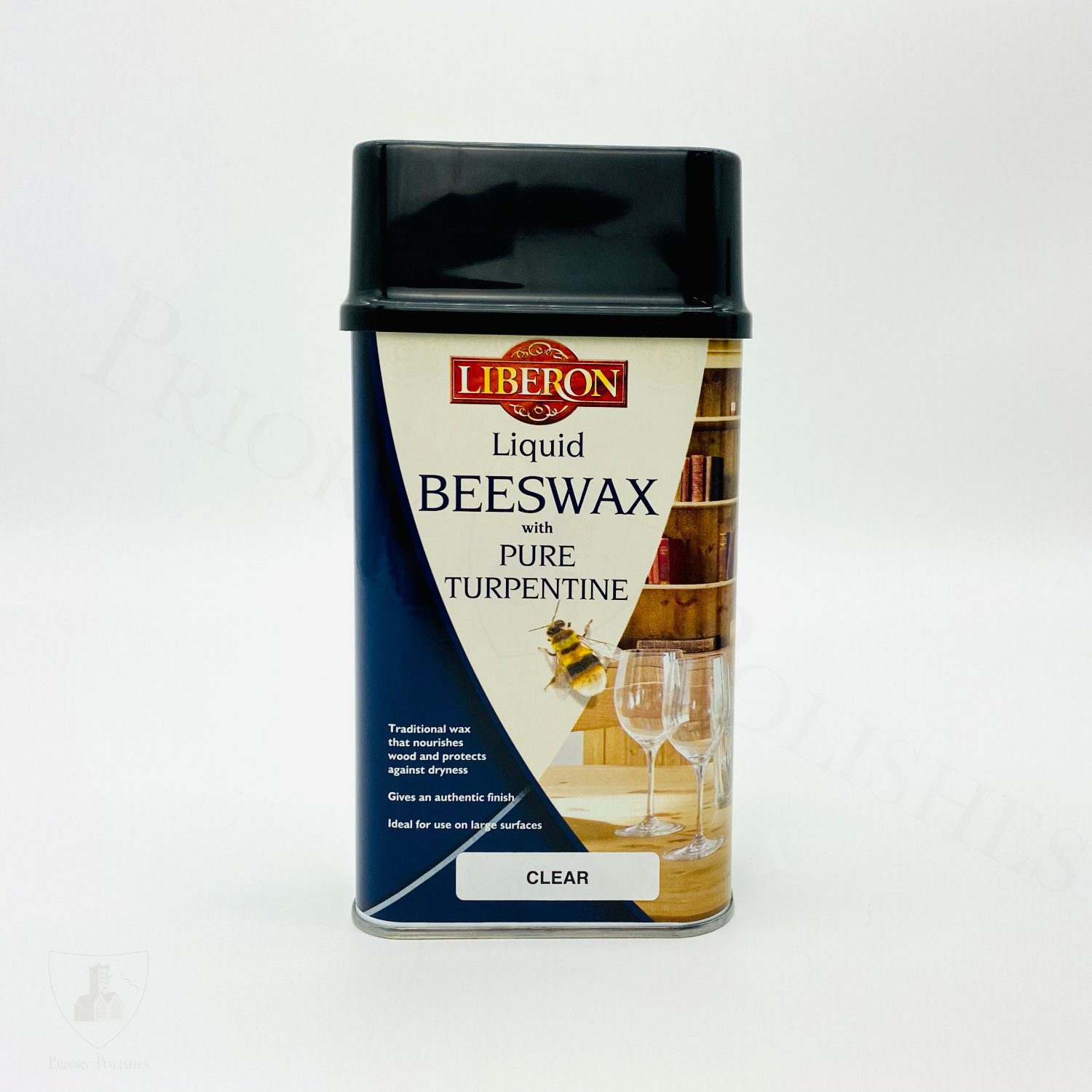

Liberon Beeswax with Pure Turpentine is a traditional furniture wax designed to nourish, protect and enhance the natural beauty of wood while producing an authentic, beautiful finish.
It is particularly suitable for antique furniture, pine, oak, painted furniture and absorbent woods. The traditional beeswax formulation can be used to maintain furniture and restore a warm, natural-looking finish.
Liberon Beeswax with Pure Turpentine is available in both Liquid Beeswax and Beeswax Paste formulations, allowing you to choose the consistency that best suits the surface and application.
The Liquid Beeswax is particularly useful for larger surfaces such as doors, panelling and beams, while the paste formulation provides a traditional beeswax consistency for furniture and smaller areas.
Priory Polishes now supplies both Liberon Liquid Beeswax with Pure Turpentine and Liberon Beeswax Paste with Pure Turpentine.
Both products are traditional beeswax-based finishes designed to nourish and enhance wood, but the different formulations make them suited to slightly different applications.
| Product | Best Suited For |
|---|---|
| Liberon Liquid Beeswax | Large surfaces, doors, panelling, beams and areas where a liquid wax is easier to spread |
| Liberon Beeswax Paste | Furniture, smaller surfaces, detailed areas and traditional hand-applied waxing |
If you are unsure which formulation is best for your project, the Liquid Beeswax is particularly convenient for larger areas, while the Paste Beeswax is a good choice where you prefer the control of a traditional paste wax.
Liberon Beeswax with Pure Turpentine is a traditional choice for furniture care, antique restoration and maintaining wooden surfaces.
Liberon Beeswax with Pure Turpentine is suitable for a wide range of interior wooden surfaces and furniture.
Always test on a small, inconspicuous area first, particularly when working on antique, painted or previously finished furniture.
Liberon Beeswax is particularly well suited to antique furniture.
Traditional wax finishes have long been used to nourish and protect wooden furniture while enhancing the natural character of the timber.
It can be used as part of an antique furniture restoration project or simply for regular maintenance of existing waxed furniture.
The wax can help revive a tired-looking surface and restore a warm, attractive sheen without completely changing the character of the original furniture.
Liberon Beeswax with Pure Turpentine is particularly suitable for pine and oak furniture.
It can enhance the natural grain and colour of these timbers while providing a traditional wax finish.
It is also suitable for absorbent woods where the wax can help nourish and protect the timber.
Liberon Beeswax can also be used on suitable painted furniture.
Waxing painted furniture can help enhance the appearance of the paint finish while providing a soft, traditional sheen.
Apply sparingly and buff carefully to avoid disturbing delicate painted surfaces.
Always test first, particularly when working on old or fragile painted furniture.
Liberon Beeswax particularly nourishes and protects absorbent woods.
On dry or absorbent timber, the wax can penetrate into the surface and help enhance the natural appearance of the wood.
Thin applications are recommended. Building up several thin coats generally gives better control over the final sheen than applying one heavy coat.
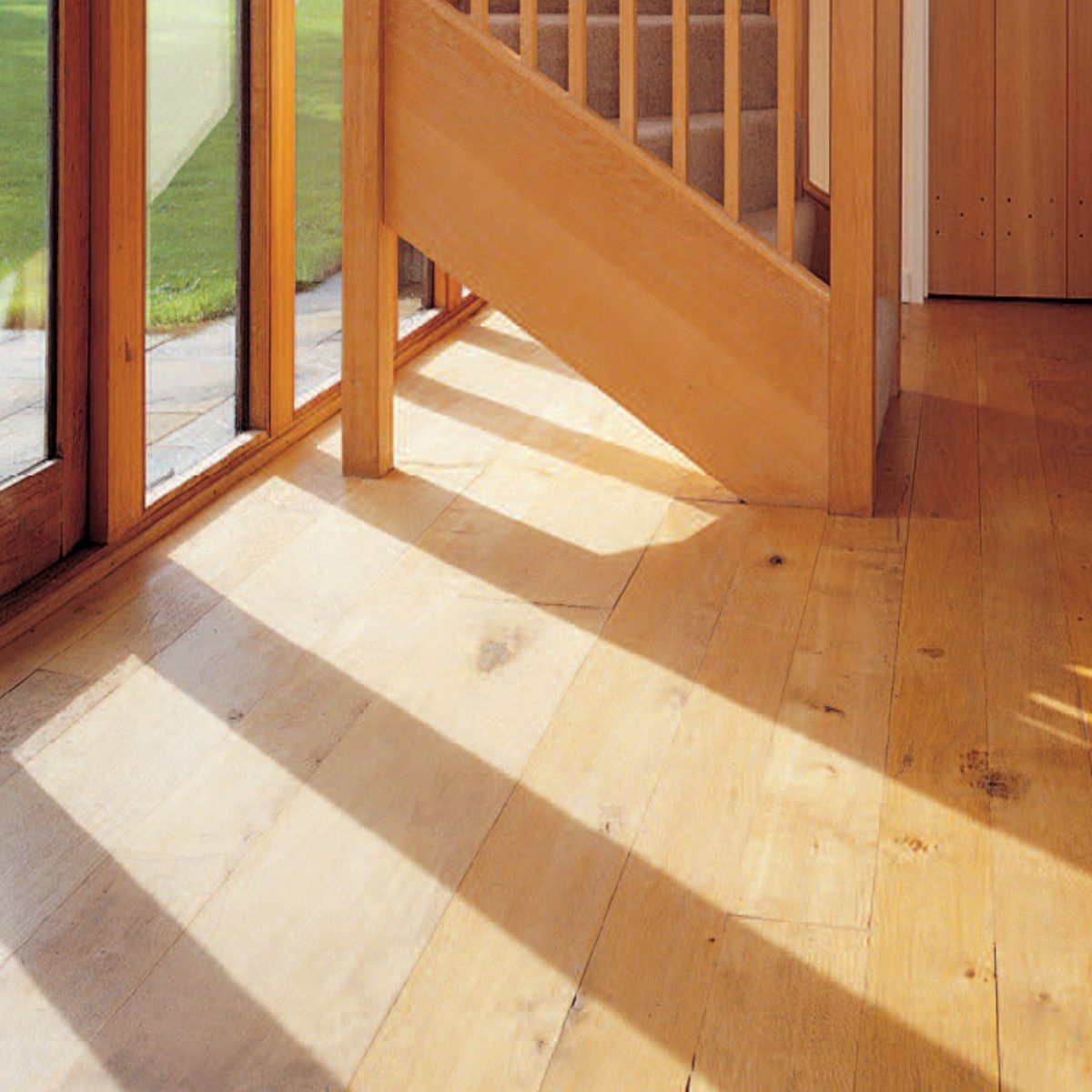
Liberon Liquid Beeswax is particularly suited to large wooden surfaces.
It can be used on areas such as:
The liquid consistency makes it easier to spread thinly over larger areas compared with a traditional paste wax.
Before application
How to Use Liberon Liquid Beeswax
How to Use Liberon Beeswax Paste
For the paste formulation, apply a small amount of Liberon Beeswax Paste sparingly to the clean, prepared surface using a soft cloth.
Thin coats are preferable to applying a heavy layer of wax. This gives better control over the final appearance and makes buffing easier.
Maintaining a Beeswax Finish
One of the benefits of a traditional wax finish is that it is straightforward to maintain.
Dust the surface regularly using a clean lint-free cloth or duster. If the furniture begins to look dull or tired, simply apply another thin coat of wax and buff it once dry.
A wax finish can be refreshed repeatedly as required.
Wax finishes are not waterproof, so avoid washing waxed furniture with water or household detergents. Do not use spray dusters on waxed furniture.
Frequently Asked Questions
Liberon Beeswax produces a traditional, natural-looking finish that enhances the character of the timber. The final sheen can be adjusted through the number of coats applied and the amount of buffing carried out. On antique furniture, this makes it possible to maintain a soft, traditional appearance rather than creating an overly glossy modern finish.
Liberon Beeswax with Pure Turpentine is used to nourish, protect and enhance wooden furniture and woodwork while creating a traditional wax finish.
Both are traditional beeswax products with pure turpentine, but the Liquid Beeswax has a thinner consistency that is particularly convenient for larger surfaces such as doors, panelling and beams. Beeswax Paste has a traditional paste consistency that provides greater control on furniture and smaller or detailed areas.
Yes. Liberon Beeswax is particularly suitable for antique furniture and is ideal for maintaining traditional waxed finishes.
Yes. It is particularly suitable for pine furniture and other absorbent woods.
Yes. Liberon Beeswax is suitable for oak furniture and woodwork.
Yes. It can be used on suitable painted furniture to enhance and protect the finish. Always test first on an inconspicuous area.
Yes. Traditional wax finishes can be applied directly to suitable bare wood, although the timber should be clean, dry and properly prepared first.
Yes. Liberon Liquid Beeswax is suitable for both softwoods and hardwoods.
Yes. It is particularly suitable for absorbent softwoods such as pine.
Yes. The Liquid Beeswax formulation is particularly suited to large surfaces such as doors, panelling and beams.
Shake the tin thoroughly, then apply the Liquid Beeswax sparingly with a clean buffing cloth. Allow it to become touch dry, then once fully dry buff with a clean cloth or wax polishing brush.
It normally takes around six hours to become touch dry, although drying time can vary depending on temperature and conditions.
We recommend at least two thin coats, buffing between coats. Additional thin coats can be applied to increase the depth and sheen of the finish.
Yes. Additional thin layers can be applied to enhance the finish. Always buff between coats.
No. Traditional wax finishes are not waterproof and are not suitable for areas exposed to regular moisture or washing.
No. Avoid washing a waxed surface with water, household detergents or cleaners. Regular dusting and re-waxing when required is the preferred method of maintenance.
Yes. Liquid Beeswax is particularly suitable for larger surfaces such as wooden doors.
Yes. Liquid Beeswax is particularly suited to larger surfaces including wooden beams and panelling. Applying wax to newly sanded beams may darken the wood so always test first on an inconspicuous area first.
Yes. A wax polishing brush can be useful for working the wax into carvings and removing excess from detailed areas.
Use a clean lint-free buffing cloth. A wax polishing brush can also be useful on carved, moulded or awkward areas.
In cold temperatures, Liquid Beeswax can thicken. We recommend removing the cap and standing the tin in a bowl of warm or hot water for approximately five to ten minutes, then replacing the cap and shaking well.
Dust regularly with a lint-free cloth or duster. When the surface begins to look tired, apply another thin coat of wax and buff once dry.
No. Traditional wax finishes are not suitable for humid or wet environments. An appropriate exterior wood oil or other exterior finish should be used instead.
Yes. Products containing turpentine are flammable and should be used in a well-ventilated area. Keep away from sources of ignition and follow the safety information supplied with the product.
Yes. Protective gloves should be worn when using the product.
Yes. Contaminated cloths and other materials should be handled and disposed of carefully in accordance with the product safety information. Never leave contaminated cloths in a pile or bundle.
Priory Polishes supplies Liberon Beeswax with Pure Turpentine in both Liquid and Paste formulations, making it easy to choose the most suitable version for your furniture restoration or wood finishing project.
Please note –
In cold temperatures, the Liberon Liquid Wax may thicken. To soften, remove the cap and stand in a bowl of warm / hot water for around five to ten minutes. Replace the cap and shake well.
Once you are happy with the results, for future maintenance simply dust the surface with a lint-free cloth or duster. If the surface starts to look tired simply re-wax again as you can do this as many times as needed.
Please note with all waxes, it is not waterproof so do not wash the finished surface with water or household cleaners and detergents. Do not use spray dusters, simply re-wax when necessary.
Always test in a small inconspicuous area first to ensure you are happy with the results.
Always wear protective gloves when using this product.
Health and Safety
Flammable. Irritating to eyes and skin. May cause skin sensitisation by skin contact. Harmful to aquatic organisms, may cause long-term adverse effects in the aquatic environment. Harmful: may cause lung damage if swallowed. Keep out of the reach of children. In case of contact with eyes, rinse immediately with plenty of water and seek medical advice. Do not empty into drains. Wear suitable protective clothing and gloves. Use only in well ventilated areas. If swallowed, do not induce vomiting: seek medical advice immediately and show this container or label.
Safety Data Sheets

 Verified owner
 Verified owner
Problem free and quick delivery.😊