Beeswax Polish for Wood and Furniture
Beeswax polish is a traditional choice for caring for wooden furniture and maintaining the appearance of antique and modern interiors. Used for generations by furniture restorers, beeswax furniture polish helps nourish and enhance suitable wooden surfaces, bringing out the natural colour and character of the timber while leaving a soft, attractive sheen.
At Priory Polishes, we stock a selection of traditional beeswax polishes in different formulations, including paste, creamed and liquid wax. Whether you are looking after antique furniture, refreshing a wooden table or maintaining an existing finish, you can choose from products by Priory Polishes, Antiquax, Briwax, Liberon, Colron and Lord Sheraton.
Types of Beeswax Furniture Polish
Beeswax polish is available in several formulations. The best choice depends on the surface you are treating and the type of finish you want to achieve.
Traditional Beeswax Polish
Traditional beeswax furniture polish is usually applied with a soft cloth and buffed to produce a natural sheen.
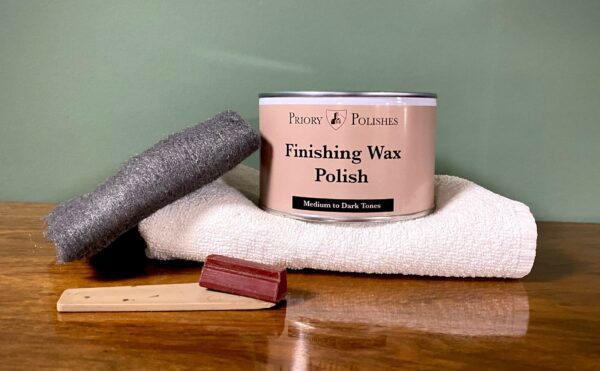
Priory Polishes Finishing Bees Wax is made using a traditional recipe and is particularly suited to previously finished or sealed interior wood, including antique furniture and clock cases. It is available in Light Woods and Medium to Dark Woods options.
Natural and Creamed Beeswax
Natural and creamed beeswax products are popular for furniture restoration and maintaining the appearance of wooden surfaces.
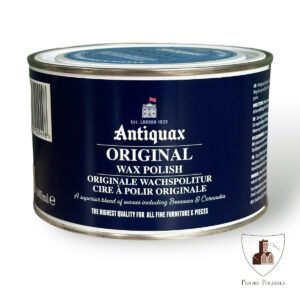
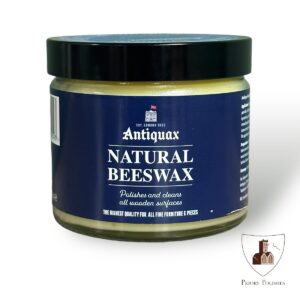
Antiquax Natural Beeswax is a clear beeswax polish for suitable previously sealed furniture, while
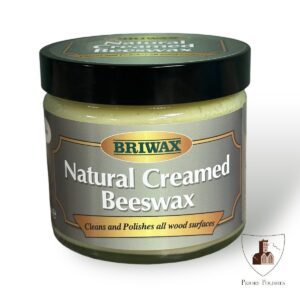
Briwax Natural Creamed Beeswax is a traditional formulation used to clean and revive the natural colour and patina of wood.
Coloured Beeswax Polish
Coloured beeswax polish can help enrich the appearance of timber that has faded or lost some of its original depth of colour.
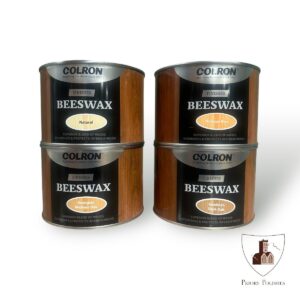
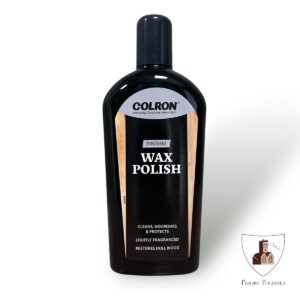
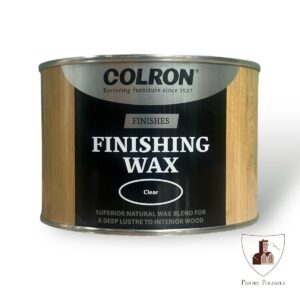
Colron Beeswax is available in a selection of shades, including Natural, Antique Pine, Georgian Medium Oak and Jacobean Dark Oak. It can help improve the colour and lustre of suitable interior wood and furniture.
Liquid Beeswax
Liquid beeswax is useful when treating larger wooden surfaces, such as doors, panelling and beams, where a liquid formulation can be easier to spread.
Liberon Beeswax with Pure Turpentine is available in liquid and wax polish formulations for suitable furniture and interior woodwork.
Beeswax Wood Balsam
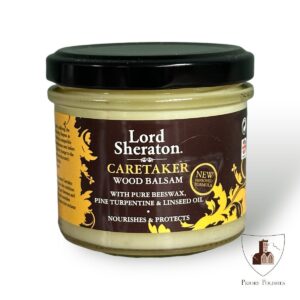
For a traditional beeswax-based furniture treatment,
Lord Sheraton Caretaker Wood Balsam contains pure beeswax, pine turpentine and linseed oil. It is designed to clean and nourish suitable wooden furniture while adding shine and protection.
Beeswax Polish for Antique Furniture
Beeswax polish is widely used in traditional furniture restoration and is particularly popular for maintaining antique wooden furniture. It can help enhance the natural colour and patina of timber, bringing out the character of pieces such as tables, chairs, cabinets, dressers and sideboards.
Before applying beeswax, it is important to identify the existing finish. Some beeswax products are designed for previously sealed or polished wood, while others have different application requirements. Always check the product instructions and test an inconspicuous area before treating the whole piece.
How to Apply Beeswax Polish
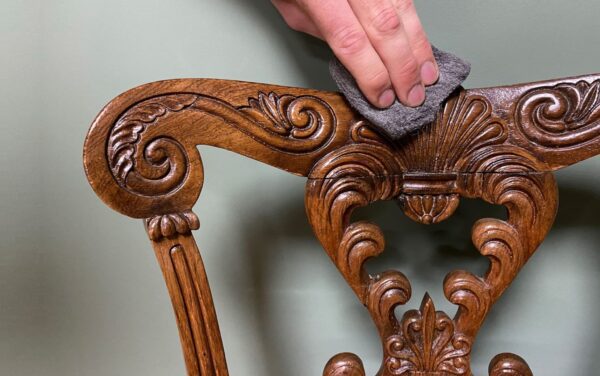
Although application instructions vary between products, traditional beeswax polish is generally applied using a soft, clean, lint-free cloth.
- Make sure the surface is clean and dry before applying the wax.
- Polish reviver may be used to clean the surface before application.
- Check that the product is suitable for the existing finish.
- Apply a small amount of polish evenly, working with the grain where possible.
- Allow the product to dry for the time stated in its instructions.
- Buff with a clean, soft cloth to achieve the desired sheen.
It is usually better to apply a thin, even coat rather than using too much wax at once. Always follow the individual manufacturer’s instructions, as drying and buffing times vary.
Choosing the Right Beeswax Polish
When choosing a beeswax polish, consider the type of wood, its existing finish and whether you want to maintain the natural colour or introduce a little more depth.
- For antique furniture: Choose a traditional beeswax polish suitable for the existing finish and condition of the piece.
- For lighter-coloured wood: A clear or light beeswax may be preferable where you want to avoid adding noticeable colour.
- For faded timber: A suitable coloured beeswax can help enrich the appearance of the wood.
- For larger surfaces: A liquid beeswax formulation may be easier to apply to doors, panelling and beams.
- For regular furniture care: Choose a suitable wax or balsam for maintaining the existing finish.
FAQs
What is beeswax polish used for?
Beeswax polish is used to maintain and enhance suitable wooden furniture and interior woodwork. It can nourish the appearance of the surface, enrich the natural colour of the timber and leave an attractive sheen when buffed.
Can I use beeswax polish on antique furniture?
Yes, many traditional beeswax polishes are used for antique furniture restoration and care. However, it is important to check the existing finish and choose a product that is suitable for the surface. Always test in an inconspicuous area first.
Can beeswax polish be used on bare wood?
Not every beeswax polish is suitable for bare, untreated wood. Some products are intended for previously sealed or finished surfaces, while others can be used on more absorbent timber. Check the individual product instructions before applying.
Does beeswax polish change the colour of wood?
Clear beeswax polish is generally used to enhance the existing colour and appearance of wood. Coloured beeswax products can add warmth or depth to the timber, making them useful when treating faded furniture or matching an existing colour.
What is the difference between beeswax paste and liquid beeswax?
Beeswax paste is generally applied by hand with a soft cloth and is particularly convenient for furniture and smaller surfaces. Liquid beeswax can be easier to spread over larger areas such as doors, panelling and beams.
How often should I apply beeswax polish?
This depends on the furniture, how often it is used and the product being applied. Beeswax should be reapplied when the surface needs refreshing rather than a fixed schedule. Avoid building up unnecessary layers of wax.
Can I apply beeswax polish over varnish?
Some beeswax products are suitable for previously sealed or varnished wood, while others are not. Always check the manufacturer’s instructions to confirm compatibility with the existing finish before applying.
How do I buff beeswax polish?
Use a clean, soft,
lint-free cloth to buff the surface once the polish has dried as directed. Work evenly over the wood until you achieve the desired sheen.
Explore our wider range of
wood wax and
wax finishes for additional furniture waxes, paste waxes and specialist wood finishing products.