Choosing the right sandpaper is an important part of preparing a surface for painting, staining, varnishing, waxing or polishing. Whether you are restoring antique furniture, preparing bare timber or smoothing an existing finish, using the correct abrasive helps achieve a consistent result.
At Priory Polishes, we stock a selection of sanding products from quality brands including
Mirka. Our range includes Mirka Abranet and Abranet Ace sanding discs, abrasive sheets, sanding rolls, sanding pads and accessories for both hand sanding and machine sanding.
In this guide
Choosing the Right Sandpaper Grit
Sandpaper is available in different grit sizes, with the number indicating how coarse or fine the abrasive is. Coarser grades remove material more quickly, while finer grades are used to smooth the surface and prepare it for finishing.
- 80 grit: A coarse grade for heavier sanding, removing surface imperfections and preparing rougher timber.
- 120 grit: A useful general-purpose grade for smoothing wood and preparing surfaces for further sanding or finishing.
- 150–180 grit: Finer grades for refining the surface and removing marks left by coarser abrasives.
- 240–320 grit: Fine grades for smoother preparation and sanding between suitable coats of finish.
The best grit depends on the condition of the surface and the finish you intend to apply. It is usually best to work through progressively finer grades rather than jumping straight from a coarse abrasive to a very fine one.
Mirka Sanding Discs and Abranet Abrasives
We stock a selection of
Mirka sanding products, including Abranet and Abranet Ace sanding discs. These are popular choices for woodworking, furniture restoration and general surface preparation.
Mirka Abranet uses a net abrasive construction that allows dust to be extracted through the surface of the disc when used with a compatible sander and dust extraction system. This can help reduce dust build-up and abrasive clogging during sanding.
Our range includes different disc diameters and grit options, including 125mm and 150mm sanding discs. Always check the diameter and backing pad compatibility before ordering.
Hand Sanding and Machine Sanding
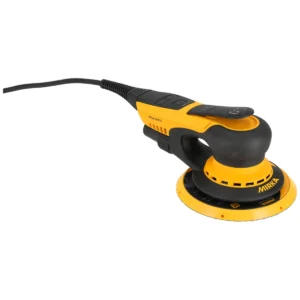
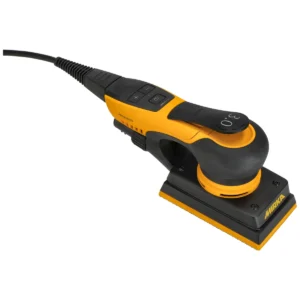
Sandpaper can be used by hand with a suitable sanding block or fitted to a compatible power sander. Hand sanding is useful for smaller areas, edges, profiles and detailed restoration work, while orbital sanders can make preparing larger flat surfaces quicker and more consistent.
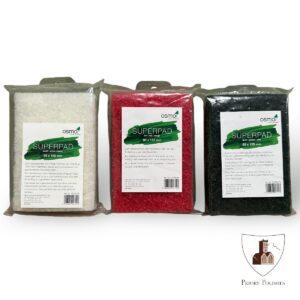
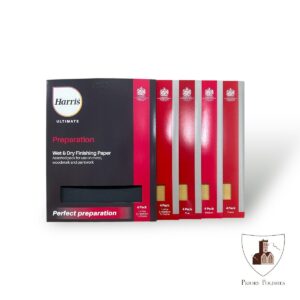
We stock sanding sheets, rolls, sanding blocks and machine sanding discs, together with selected Mirka sanding machines and accessories.
The right abrasive can be used for a variety of preparation and restoration jobs. Depending on the product and grit selected, sanding abrasives can be suitable for:
- Preparing bare wood and timber before applying a finish.
- Smoothing furniture and wooden surfaces during restoration.
- Removing old paint, varnish and other coatings where appropriate.
- Preparing metal surfaces before painting or refinishing.
- Smoothing filler and repaired areas.
- Refining surfaces between suitable coats of paint, lacquer or varnish.
Always check the suitability of the particular abrasive for the material and application. When working on antique furniture or veneered timber, take extra care and avoid removing more material than necessary.
Preparing Wood Before Applying a Finish
Good surface preparation helps achieve a more even result when applying wood finishes. Sand in the direction of the grain wherever possible and remove sanding dust thoroughly before applying stain, oil, wax, varnish or polish.
You can browse our range of
wood stains and dyes,
wood varnishes and
hard wax oils to find suitable products for your finishing project.
For additional restoration supplies, see our
tools and accessories and
wood fillers.
Frequently Asked Questions About Sandpaper
What grit sandpaper should I use on wood?
This depends on the condition of the timber. A coarser grade such as 80 grit can be useful for heavier preparation, while 120 grit is commonly used for general smoothing. Finer grades such as 180 or 240 can be used for further refinement. Always choose a grit suitable for the timber and the finish being applied.
What is the difference between coarse and fine sandpaper?
Coarse sandpaper has a lower grit number and removes material more quickly. Fine sandpaper has a higher grit number and is used for smoothing and refining a surface. Using progressively finer grades helps produce a more even finish.
Can I use sandpaper on metal?
Yes, provided the abrasive is suitable for the type of metal and the work being carried out. Check the product details before use, as not every sandpaper or sanding disc is designed for every material.
What are Mirka Abranet sanding discs used for?
Mirka Abranet sanding discs are net abrasives designed for sanding with compatible hand or power sanding equipment. Their open net construction allows dust extraction through the disc when connected to a suitable extraction system.
What size sanding disc do I need?
You need to match the sanding disc diameter and fastening system to your sander’s backing pad. Common sizes include 125mm and 150mm. Check your machine’s specifications before purchasing replacement discs.
Should I sand in the direction of the wood grain?
Yes, when hand sanding wood, sanding in the direction of the grain helps reduce visible scratches. Take particular care with veneers and delicate antique furniture, as excessive sanding can damage the surface.