Wood Turning Products and Finishes
Choosing the right finish is an important part of any woodturning project. Whether you are making wooden bowls, platters, pens, boxes, ornaments or decorative pieces, the right woodturning products can enhance the natural grain of the timber and help achieve a smooth, attractive finish.
At Priory Polishes, we stock a selection of wood turning finishes and specialist products for both hobby woodturners and experienced craftsmen. Our range includes friction polishes, sanding sealers, lacquers, polishing compounds, waxes and food-safe oils, with products from Chestnut Products and Mylands.
Choosing the Right Woodturning Finish
Different turned items require different types of finish. The best choice depends on the type of timber, how the finished item will be used and the appearance you want to achieve.
Friction Polish for Woodturning
Friction polish is a popular choice for woodturning, particularly for wooden pens, small bowls, boxes and decorative items. It is applied while the timber is rotating on the lathe, using friction to help produce a smooth, high-gloss finish.
Chestnut Friction Polish is a fast-drying, shellac-based polish that creates a rich, glossy finish and can also be applied off the lathe.
Sanding Sealer for Turned Wood
A sanding sealer can be used to prepare bare timber before applying a final finish. It helps seal the wood and create a smoother surface, providing a suitable base for products such as friction polish, wax and lacquer.
Chestnut Cellulose Sanding Sealer is designed for furniture, woodturning and other woodworking projects. It can be applied by brush, cloth or spray.
Woodturning Lacquers
Clear wood lacquers are useful when a harder, more durable surface coating is required. They can enhance the natural colour and grain of turned timber while providing a protective finish.
Chestnut Melamine Lacquer provides a hard-wearing, high-gloss finish and is suitable for woodturning projects such as pens, bowls and boxes.
Chestnut Acrylic Lacquer is a water-based alternative for suitable turned wooden items and decorative projects.
Burnishing Cream for Woodturning
Burnishing cream is used to smooth and polish an existing finish, helping to remove minor surface imperfections and improve the level of gloss. It is particularly useful when finishing wooden pens, bowls and other small turned items.
Chestnut Burnishing Cream can be used by hand or on a lathe over suitable, fully dried finishes, including friction polish and lacquer.
Woodturning Waxes
Wood waxes provide another option for finishing turned timber. Depending on the product, they can produce anything from a natural sheen to a smooth, highly polished surface.
Chestnut Microcrystalline Wax is a hard-wearing finishing wax suitable for bowls, pens, boxes, platters and decorative turned items.
Chestnut Wood Wax 22 is made from a blend of beeswax and carnauba wax and is available in a choice of colours for finishing suitable wooden projects.
Food-Safe Finishes for Wooden Bowls
If you are making wooden bowls, chopping boards, serving platters or kitchen utensils that will come into contact with food, it is important to choose a finish specifically intended for food-contact items.
Chestnut Food Safe Finish is a food-grade mineral oil designed for wooden bowls, chopping boards, serving boards and other food-contact timber. It penetrates into the wood and leaves a natural matt appearance.
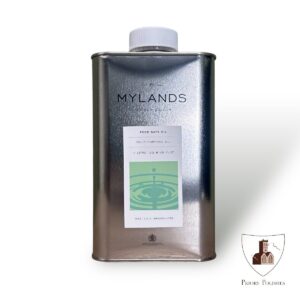
Mylands Food Safe Oil is another option for chopping boards, butcher’s blocks, turned bowls and containers. It is colourless, odourless and tasteless.
Always check the manufacturer’s instructions and intended use before selecting a finish for an item that will come into contact with food.
Preparing and Finishing Turned Wood
Good preparation is essential for achieving an attractive finish on turned timber. Sanding the surface carefully and removing dust before applying a finish can make a considerable difference to the final result.
- Sand the timber progressively to achieve a smooth surface.
- Remove sanding dust before applying any finishing product.
- Use a suitable sanding sealer where required by the chosen finish.
- Apply the finish in accordance with the manufacturer’s instructions.
- Allow sufficient drying or curing time before handling or using the finished item.
- Use a suitable polishing product to refine the finish where appropriate.
Wood Turning Products FAQs
What is the best finish for woodturning?
The best finish depends on the item and the appearance you want. Friction polish is popular for a high-gloss finish on pens and smaller turned items, while waxes and oils provide alternative finishes for bowls and decorative timber. Lacquers can be used where a harder surface coating is required.
What is friction polish used for?
Friction polish is commonly used on wooden pens, bowls, boxes and other turned items. It is applied using a cloth, often while the timber is rotating on a lathe, to help produce a smooth, glossy finish.
Do I need sanding sealer before friction polish?
A suitable sanding sealer is often used before friction polish to help prepare the timber and create a smoother, more even base. However, the exact preparation will depend on the wood and the finish being used.
What is the difference between friction polish and burnishing cream?
Friction polish is a finish applied to the timber to create a glossy surface. Burnishing cream is used afterwards on a suitable, fully dried finish to smooth and improve its appearance and gloss.
What finish should I use on a wooden bowl?
This depends on whether the bowl is decorative or intended for food use. For food-contact bowls, choose a product specifically intended for that purpose, such as Chestnut Food Safe Finish or Mylands Food Safe Oil. For decorative bowls, other suitable waxes, polishes and lacquers may be considered.
Can I use ordinary wood oil on turned bowls?
Not all wood oils are suitable for items that come into contact with food. If the bowl will be used for serving or preparing food, choose an oil specifically intended for food-contact wooden items and follow its instructions.
Can I use wax on turned wood?
Yes. Suitable woodturning waxes can be used to finish bowls, pens, boxes and decorative items. The final appearance will depend on the wax formulation and the way it is applied and buffed.
Can woodturning finishes be applied off the lathe?
Some finishes, including Chestnut Friction Polish, can be applied off the lathe, although the application method and final result may differ. Always follow the product instructions.
How do I get a high-gloss finish on turned wood?
Careful sanding and preparation are important. A suitable sanding sealer followed by friction polish or lacquer can help create a glossy finish. Burnishing cream can then be used on compatible, fully dried finishes to improve smoothness and shine.
Browse our wider range of
wood oils,
wood waxes and
French polishes for further wood finishing products.