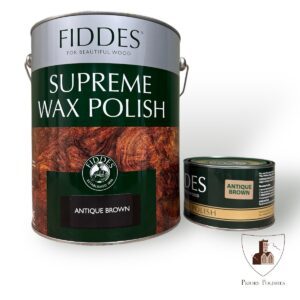


Fiddes Antique Brown Wax
Price range: £15.00 through £65.95
Select options
This product has multiple variants. The options may be chosen on the product page
Explore our range of furniture polish and wood furniture finishes for antique, period and modern wooden furniture. Choose from traditional beeswax and paste wax, spray furniture polish, microcrystalline wax, furniture revivers and specialist wood finishes from brands including Priory Polishes, Fiddes, Liberon, Briwax, Antiquax and Renaissance Wax.
Price range: £15.00 through £65.95

Price range: £14.70 through £26.40

Price range: £13.80 through £23.95




Price range: £6.95 through £83.02

£13.20
Furniture polish can be used to clean, maintain, revive and protect suitable wooden furniture and existing finishes. Our range includes traditional furniture waxes, beeswax polish, paste wax, spray polish, microcrystalline wax and specialist furniture restoration products for antique, period and modern furniture.
The right furniture polish depends on the condition of the wood, the existing finish and the result you want to achieve. If you are working on antique furniture, it is particularly important to consider the existing finish before applying a new product.
Beeswax furniture polish is a traditional choice for maintaining and finishing wooden furniture. Beeswax-based polishes can help enhance the appearance of suitable timber while leaving a soft, natural-looking sheen.
Our range includes traditional beeswax furniture polishes alongside other wax-based finishes for different types of furniture and restoration work.
Paste wax is widely used for finishing and maintaining wooden furniture. It can be applied to suitable existing finishes and is available in clear, natural and coloured formulations.
Coloured furniture waxes can also be useful when restoring or enhancing the colour of timber, while clear wax can be used where you want to maintain the appearance of the existing finish.
Antique and period furniture often benefits from a more considered approach to polishing. Where the original finish is still sound, a suitable polish reviver or furniture wax may be preferable to completely stripping and refinishing the piece.
Our range includes furniture polishes and restoration products suitable for different stages of antique furniture care, from cleaning and reviving an existing finish through to waxing and final polishing.
Different types of timber can respond differently to furniture polish. Oak, mahogany, walnut, pine, teak and other woods may have different finishes and requirements, so the most suitable product depends on both the timber and its existing surface treatment.
For previously finished furniture, choose a polish that is compatible with the existing finish. For bare or newly prepared timber, an oil, wax, hard wax oil or other suitable wood finish may be more appropriate.
Furniture wax is available in both natural and coloured finishes. Coloured waxes can be used to enhance the appearance of timber or introduce additional colour to suitable furniture finishes.
Our range includes traditional furniture waxes as well as specialist coloured waxes such as Annie Sloan Chalk Paint Wax for suitable painted furniture and decorative finishes.
Microcrystalline wax is another option for protecting and finishing suitable surfaces. Renaissance Wax is a microcrystalline wax polish used for a variety of conservation, restoration and finishing applications.
As with any furniture polish, check that the product is suitable for the particular material and existing finish before applying it.
If the furniture already has a sound finish, the aim may simply be to clean, revive and maintain the surface rather than completely refinish it. A suitable furniture polish or polish reviver can help refresh the appearance while retaining the character of the existing finish.
For heavily marked, damaged or deteriorated finishes, additional restoration work may be required before applying a final furniture polish.
The most suitable furniture polish depends on the condition of the furniture, the type of wood, the existing finish and the result you want to achieve. Consider whether you need to clean and revive the existing finish, apply a protective wax, add colour or refinish bare timber.
Always check the manufacturer’s instructions and test the product on an inconspicuous area before treating the whole piece, particularly when working on antique or valuable furniture.
Frequently Asked Questions
The right furniture polish depends on the type of wood, the existing finish and whether you are maintaining, reviving or refinishing the furniture. Traditional wax polishes are suitable for many existing furniture finishes, while oils, hard wax oils and other finishes may be more appropriate for untreated wood. Always check the product instructions before use.
There is no single furniture polish that is suitable for every antique. For furniture with an existing finish, a suitable polish reviver followed by a compatible furniture wax can be an option. Priory Polishes Bees wax is a very popular option but the condition and type of the existing finish should be considered before applying any new product.
Yes, suitable furniture polishes can be used on oak furniture. For oak with an existing finish, a compatible furniture wax or polish may be suitable for maintenance. Untreated oak may require a different type of finish, such as an oil or hard wax oil. Always check the product is suitable for the existing surface.
Yes, furniture wax is commonly used over Chalk Paint and other suitable painted furniture finishes. Annie Sloan Chalk Paint Wax is specifically designed for use with Chalk Paint and is available in different colours for clear, coloured and decorative finishes.
Furniture polish is a broad term covering products used to clean, maintain, revive or finish furniture. Furniture wax is a specific type of finish that can be applied to suitable wood and existing finishes to enhance the appearance and provide a protective coating. The two terms can therefore overlap depending on the product.
Some furniture polishes are suitable for bare wood, but not all are. Untreated timber may be better suited to a wood oil, wax finish or other product specifically intended for unfinished wood. Check the manufacturer’s instructions to make sure the product is suitable for bare timber.
Very fine steel wool can be useful for certain furniture restoration and finishing tasks, including removing old wax or helping to work a suitable wax into the surface. Use an appropriate grade and take care not to scratch the timber, particularly on delicate or veneered furniture.
For antique furniture with an existing finish, a suitable polish reviver can be used to remove accumulated dirt and old polish residue while helping to refresh the existing surface. Once the finish has been cleaned and revived, a compatible furniture wax or polish can be applied if appropriate.
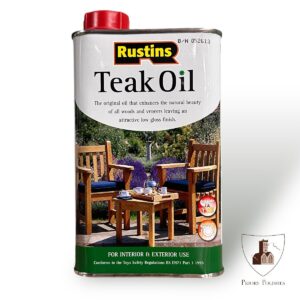
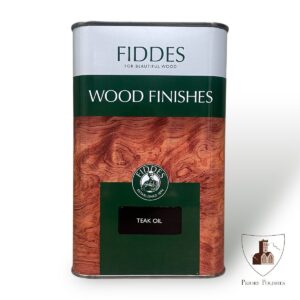
The appropriate product depends on whether the teak is bare, oiled or already finished. Furniture polish may be suitable for maintaining an existing finish, while a suitable teak oil or other wood finish may be more appropriate for untreated timber. Always check the product instructions before application.