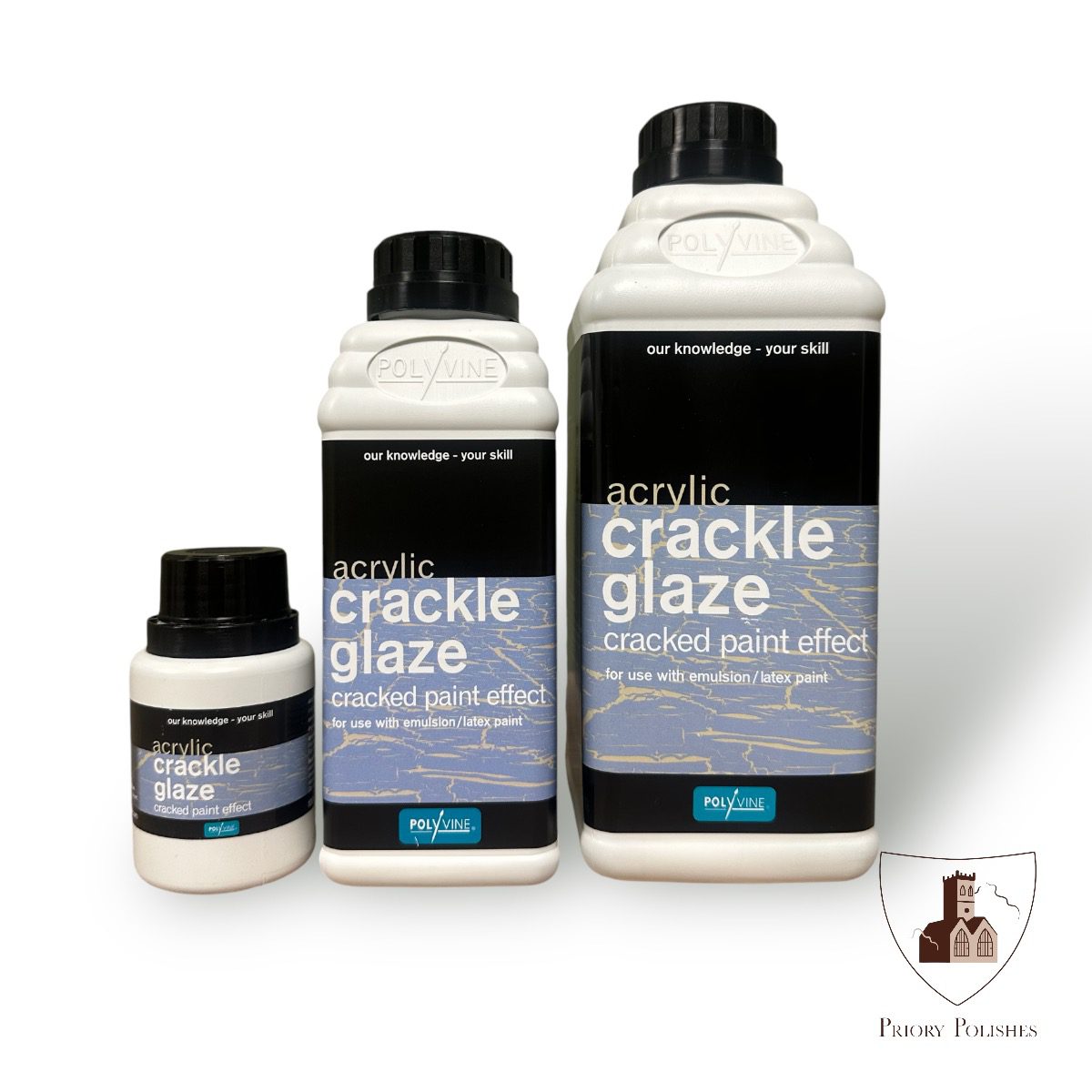


Polyvine Crackle Glaze is an Acrylic medium to produce consistent cracking of emulsion paint/latex Paint. This is ideal to create unique decorative aged effects on furniture, skirting boards, walls, architrave, pottery, picture frames and much more. It is also often used with chalk paints to create an antique paint effect on furniture.
See Full instructions below
UK FREE delivery on all orders over £24
Polyvine Crackle Glaze is an acrylic medium designed to create a consistent decorative crackle effect when applied between two coats of paint. As the topcoat dries, it cracks to reveal the colour underneath, creating an attractive aged, distressed or antique paint effect.
Polyvine Crackle Glaze can be used on furniture, woodwork, walls, skirting boards, architraves, pottery, picture frames, plasterwork and suitable non-ferrous metals. It is also commonly used with chalk paint to create decorative aged furniture finishes.
Glaze pulls back – rejects the surface – brush through repeatedly with pressure on the brush. Alternatively take a damp lint free cloth and rub the glaze hard into the surface – brush through with glaze again. If cissing persists wipe surface free of glaze and rub down with detergent and dry well.
To obtain consistent results and achieve uniform cracking on larger areas; application with HVLP spray is recommended. Use the fan adjustment knob on the rear of the gun to fine tune the spray to meet your needs (i.e., if you are getting runs, adjust the fan speed faster to achieve higher paint atomization or turn the speed lower to achieve a thicker initial coat). Adjust the fluid control knob to handle the increased or decreased fan speed. You want the amount of paint to provide a solid mist of paint droplets, but not so much volume that the paint begins to run. Sweep the gun back and forth 6 to 8 inches from the object you are painting. Always keep the gun perpendicular to the paint surface and sweep at a medium pace.
Polyvine Crackle Glaze makes it possible to create a decorative crackle finish without having to rely on naturally aged paint.
It is:
The finished effect can be varied by changing the thickness of the topcoat. A thicker topcoat produces wider cracks, while a thinner coat produces a finer crackle effect.
Polyvine Crackle Glaze can be used to create decorative crackle effects on a variety of surfaces.
Suitable applications include:
For porous surfaces, the surface should be sealed before applying the crackle glaze. Always test the complete process on a small sample before starting your project.
Polyvine Crackle Glaze is particularly popular for creating aged and distressed effects on painted furniture.
It can transform an ordinary painted piece into a decorative antique-style finish by allowing the base colour to show through the cracks in the topcoat.
It can be used on suitable:
For furniture restoration and upcycling, experiment with contrasting base and topcoat colours to create different decorative effects.
Polyvine Crackle Glaze can be used with chalk paint to create an antique crackle effect.
Choose a suitable base colour and allow it to dry before applying the crackle glaze. Once the glaze has dried, apply the contrasting matt topcoat.
As the topcoat dries, the paint cracks and the base colour becomes visible underneath.
This technique can be particularly effective when creating vintage, shabby chic, distressed and antique-style furniture finishes.
Polyvine Crackle Glaze is applied between a base coat and a matt topcoat. The base coat provides the colour that will appear through the cracks. Once dry, the crackle glaze is applied before the final matt coat. As the topcoat dries, it cracks to reveal the base colour underneath. The thickness of the topcoat affects the size of the cracks.
The basic process is: Base coat → Crackle Glaze → Matt topcoat
The base coat should be allowed to dry before applying the glaze. Apply the the Crackle Glaze in one direction using a good quality brush. Once fully dry, apply the matt topcoat at right angles to the direction of the glaze. The topcoat should be applied in one pass without over-brushing. Over-brushing can mix the glaze and paint and prevent the crackle effect from developing correctly.
The thickness of the matt topcoat determines the size of the cracks. A thicker topcoat will generally produce larger, wider cracks, while a thinner topcoat produces a finer crackle effect. This allows you to alter the appearance of the finished surface depending on the decorative effect you want to achieve.
Yes. Polyvine Crackle Glaze can be used to create decorative crackle effects on walls. However, walls and other vertical surfaces require practice to achieve good results. We strongly recommend trying the complete technique on a test piece before applying it to a large wall or other permanent surface.
Yes. Polyvine Crackle Glaze can be used for decorative crackle effects on pottery and other suitable decorative surfaces. Always ensure the surface is properly prepared and carry out a test first to check adhesion and the desired finished effect.
Polyvine Crackle Glaze can be used on suitable non-ferrous metals to create decorative aged and crackled effects. The surface should be properly prepared before application, and a test area should always be carried out first.
Polyvine Crackle Glaze has a coverage of approximately 8 square metres per litre. Coverage can vary depending on the surface and application.
The drying time is approximately 15 minutes to 1 hour, depending on temperature. However, the glaze must be fully dry before applying the topcoat. The finished crackle effect should then be left to dry for 24 hours before being protected with Polyvine Decorators Varnish.
Cissing occurs when the glaze pulls back or rejects the surface. If this happens, we recommend brushing through the glaze repeatedly with pressure on the brush. Alternatively, use a damp lint-free cloth to rub the glaze firmly into the surface before brushing through it again. If cissing continues, remove the glaze, clean the surface with detergent and allow it to dry thoroughly before trying again.
Polyvine Crackle Glaze is useful for creating decorative aged effects when restoring or upcycling furniture and other decorative items. Rather than simply painting a surface a single colour, crackle glaze allows the underlying colour to show through in an intentionally aged pattern. This makes it particularly useful for antique-style furniture, decorative restoration, vintage interiors and distressed painted finishes.
COVERAGE – Approx. 8 sq. m per litre
No OF COATS – 1 coat
DRYING TIME – 15mins-1 hr, depending on temperature
CLEANING – Clean tools/equipment with warm soapy water, rinse well with clean water, and allow to dry naturally.
STORAGE – Protect from extremes of temperature during storage and application.
Non-hazardous. Ensure good ventilation. Keep out of reach of children. Contact with eyes-wash immediately with warm water. Remove excess from tools and mixing vessels before washing in warm soapy water. Do not empty containers into drains or watercourses.
From our customers

£22.16
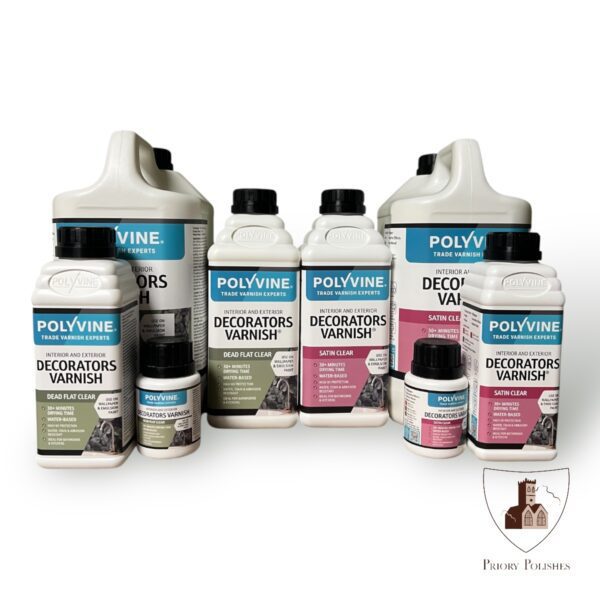
£5.30 – £92.21Price range: £5.30 through £92.21
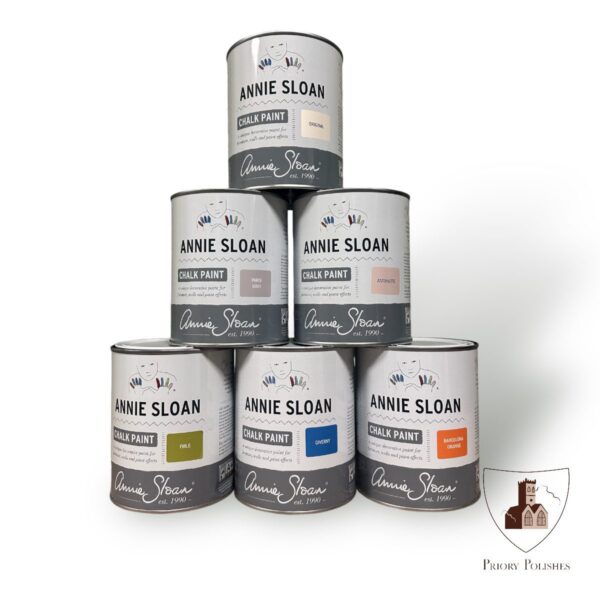
Priory Polishes offer all colours of Annie Sloan Chalk Paint in a convenient
£26.95

£8.25 – £16.95Price range: £8.25 through £16.95

£10.99

Liberon Shellac Filler Sticks are a traditional repair stick used to fill surface blemishes,
£10.99

£29.99

£12.95
Ready when you are
Choose your finish and tin size above, then let the grain do the talking.
£6.34 – £32.26Price range: £6.34 through £32.26
Free UK delivery
On orders over £24
Hand-mixed in Britain
Made in Clitheroe, Lancashire
Trusted brands
Fiddes, Liberon, Osmo & more
Family run
Three generations of restorers
£10.99
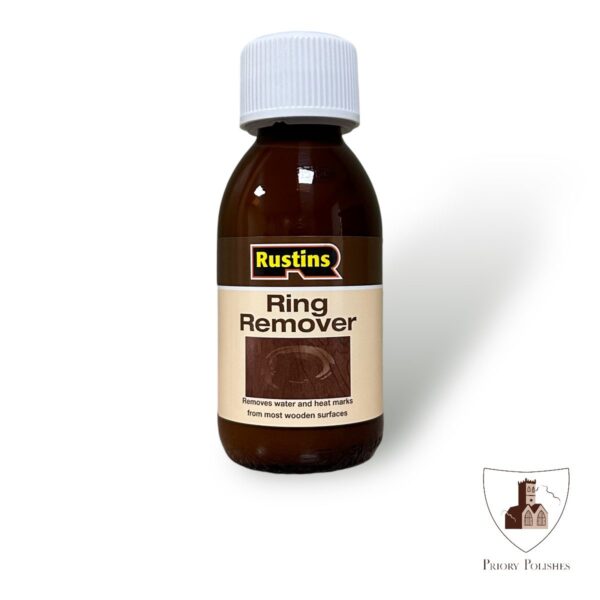
Rustins Ring Remover is a perfect renovator for Wood as it removes ring marks,
£6.99

£16.95