Liberon Beeswax with Pure Turpentine – 500ml
Price range: £16.95 through £17.95
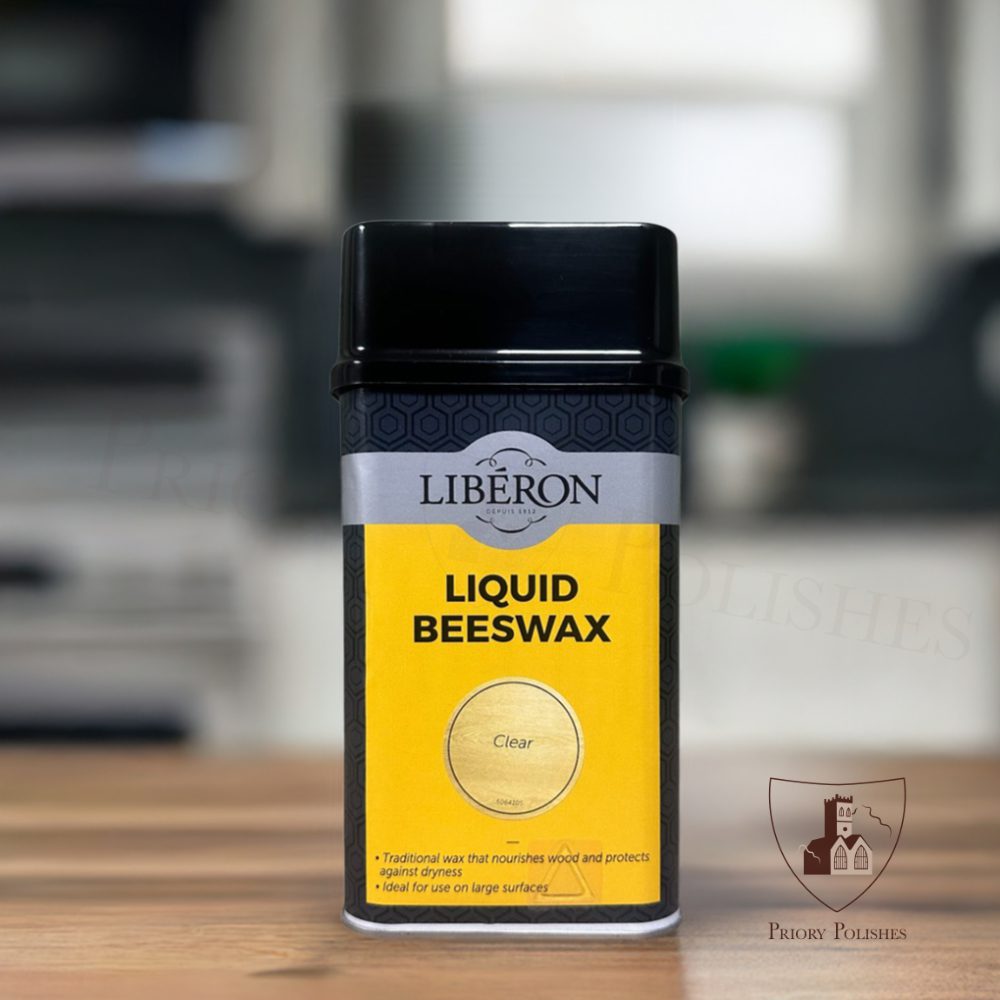
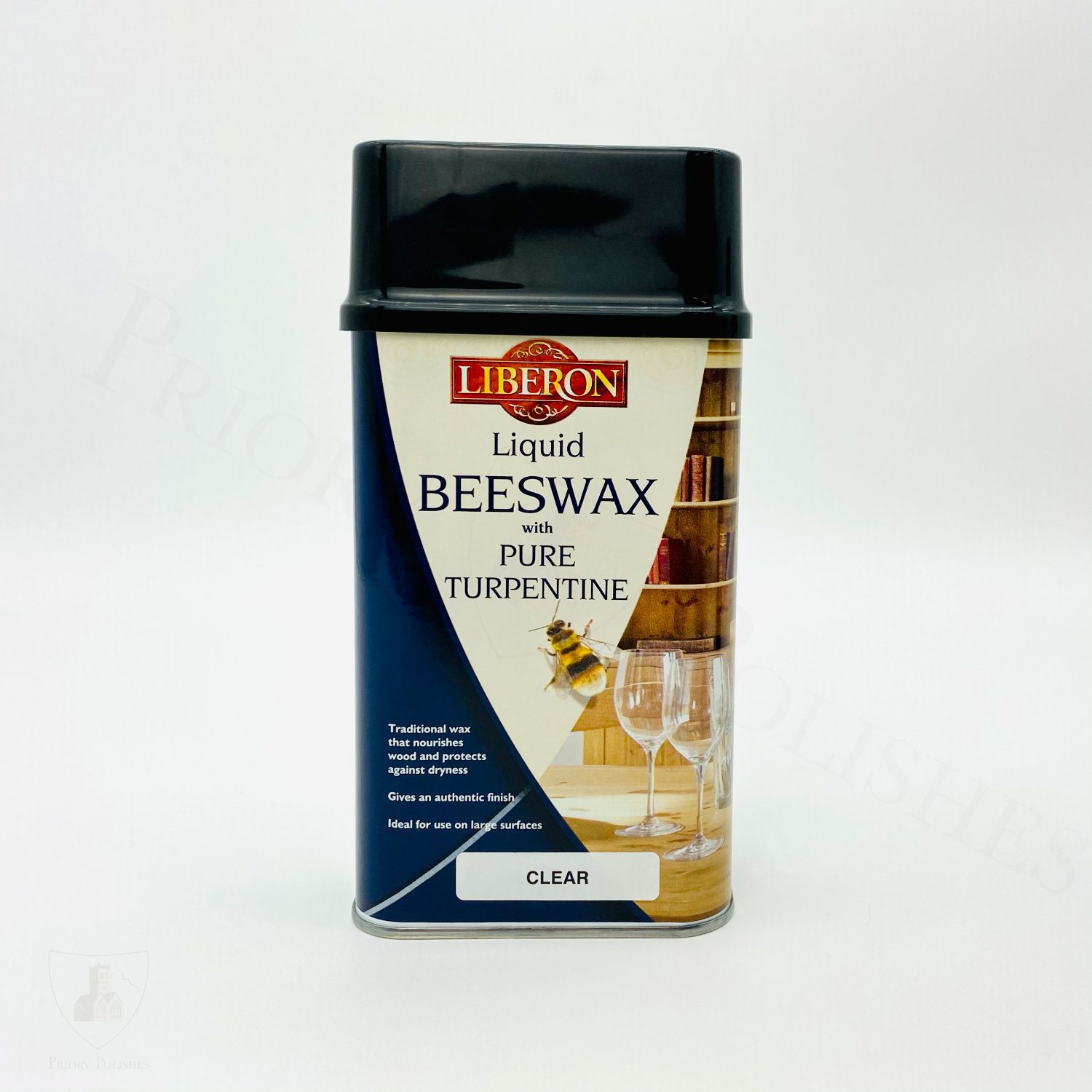
Liberon Beeswax with Pure Turpentine is a traditional furniture wax designed to nourish, protect and enhance the natural beauty of wood while producing an authentic, beautiful finish.
- It is ideal for antique furniture, especially antique Pine, Oak or painted furniture.
- It is also most suited for large surfaces such as doors, panelling and beams.
- Liberon Liquid Beeswax is suitable for use on softwoods and hardwoods.
- It particularly nourishes and protects absorbent woods.
- Endorsed by the Guild of Master Craftsmen.
See Full instructions below
UK FREE delivery on all orders over £24
Description
Liberon Beeswax with Pure Turpentine is a traditional furniture wax designed to nourish, protect and enhance the natural beauty of wood while producing an authentic, beautiful finish.
It is particularly suitable for antique furniture, pine, oak, painted furniture and absorbent woods. The traditional beeswax formulation can be used to maintain furniture and restore a warm, natural-looking finish.
Liberon Beeswax with Pure Turpentine is available in both Liquid Beeswax and Beeswax Paste formulations, allowing you to choose the consistency that best suits the surface and application.
The Liquid Beeswax is particularly useful for larger surfaces such as doors, panelling and beams, while the paste formulation provides a traditional beeswax consistency for furniture and smaller areas.
- Liberon Liquid Beeswax or Beeswax Paste?
- Why Choose Liberon Beeswax?
- What Can Liberon Beeswax Be Used On?
- Beeswax for Antique Furniture
- Beeswax for Pine and Oak
- Beeswax for Painted Furniture
- Beeswax for Absorbent Wood
- Beeswax for Large Wooden Surfaces
- How to Use Liberon Liquid Beeswax
- How to Use Liberon Beeswax Paste
- Frequently Asked Questions
Liberon Liquid Beeswax or Beeswax Paste?
Priory Polishes now supplies both Liberon Liquid Beeswax with Pure Turpentine and Liberon Beeswax Paste with Pure Turpentine.
Both products are traditional beeswax-based finishes designed to nourish and enhance wood, but the different formulations make them suited to slightly different applications.
| Product | Best Suited For |
|---|---|
| Liberon Liquid Beeswax | Large surfaces, doors, panelling, beams and areas where a liquid wax is easier to spread |
| Liberon Beeswax Paste | Furniture, smaller surfaces, detailed areas and traditional hand-applied waxing |
If you are unsure which formulation is best for your project, the Liquid Beeswax is particularly convenient for larger areas, while the Paste Beeswax is a good choice where you prefer the control of a traditional paste wax.
Why Choose Liberon Beeswax?
Liberon Beeswax with Pure Turpentine is a traditional choice for furniture care, antique restoration and maintaining wooden surfaces.
- Traditional beeswax furniture finish
- Contains pure turpentine
- Nourishes and protects wood
- Enhances the natural beauty of timber
- Ideal for antique furniture
- Suitable for pine and oak
- Suitable for painted furniture
- Excellent for absorbent woods
- Suitable for softwoods and hardwoods
- Available as Liquid Beeswax and Beeswax Paste
- Ideal for regular furniture maintenance
- Produces an authentic traditional wax finish
What Can Liberon Beeswax Be Used On?
Liberon Beeswax with Pure Turpentine is suitable for a wide range of interior wooden surfaces and furniture.
- Antique furniture
- Pine furniture
- Oak furniture
- Painted furniture
- Softwoods
- Hardwoods
- Absorbent woods
- Doors
- Wooden panelling
- Wooden beams
- Tables
- Chairs
- Cabinets
- Carved furniture
Always test on a small, inconspicuous area first, particularly when working on antique, painted or previously finished furniture.
Beeswax for Antique Furniture
Liberon Beeswax is particularly well suited to antique furniture.
Traditional wax finishes have long been used to nourish and protect wooden furniture while enhancing the natural character of the timber.
It can be used as part of an antique furniture restoration project or simply for regular maintenance of existing waxed furniture.
The wax can help revive a tired-looking surface and restore a warm, attractive sheen without completely changing the character of the original furniture.
Beeswax for Pine and Oak
Liberon Beeswax with Pure Turpentine is particularly suitable for pine and oak furniture.
It can enhance the natural grain and colour of these timbers while providing a traditional wax finish.
It is also suitable for absorbent woods where the wax can help nourish and protect the timber.
Beeswax for Painted Furniture
Liberon Beeswax can also be used on suitable painted furniture.
Waxing painted furniture can help enhance the appearance of the paint finish while providing a soft, traditional sheen.
Apply sparingly and buff carefully to avoid disturbing delicate painted surfaces.
Always test first, particularly when working on old or fragile painted furniture.
Beeswax for Absorbent Wood
Liberon Beeswax particularly nourishes and protects absorbent woods.
On dry or absorbent timber, the wax can penetrate into the surface and help enhance the natural appearance of the wood.
Thin applications are recommended. Building up several thin coats generally gives better control over the final sheen than applying one heavy coat.
Beeswax for Large Wooden Surfaces
Liberon Liquid Beeswax is particularly suited to large wooden surfaces.
It can be used on areas such as:
- Wooden doors
- Wood panelling
- Wooden beams
- Large pieces of furniture
- Large areas of antique pine
- Large oak surfaces
The liquid consistency makes it easier to spread thinly over larger areas compared with a traditional paste wax.
How to Use Liberon Liquid Beeswax
Before application
- Good preparation is important when applying Liberon Beeswax.
- If the furniture already has an existing wax or polish finish, clean the surface before applying new wax.
- For suitable finished furniture, Priory Polish Reviver and very fine wire wool can be used to remove accumulated dirt and grease and prepare the surface for waxing. This will also give you the best sheen whilst adding to the depth of the colour and finish.
- Proper preparation can also help improve the final sheen and enhance the depth and appearance of the finish.
- If the existing surface has a varnish or other incompatible finish, this may need to be removed before waxing.
How to Use Liberon Liquid Beeswax
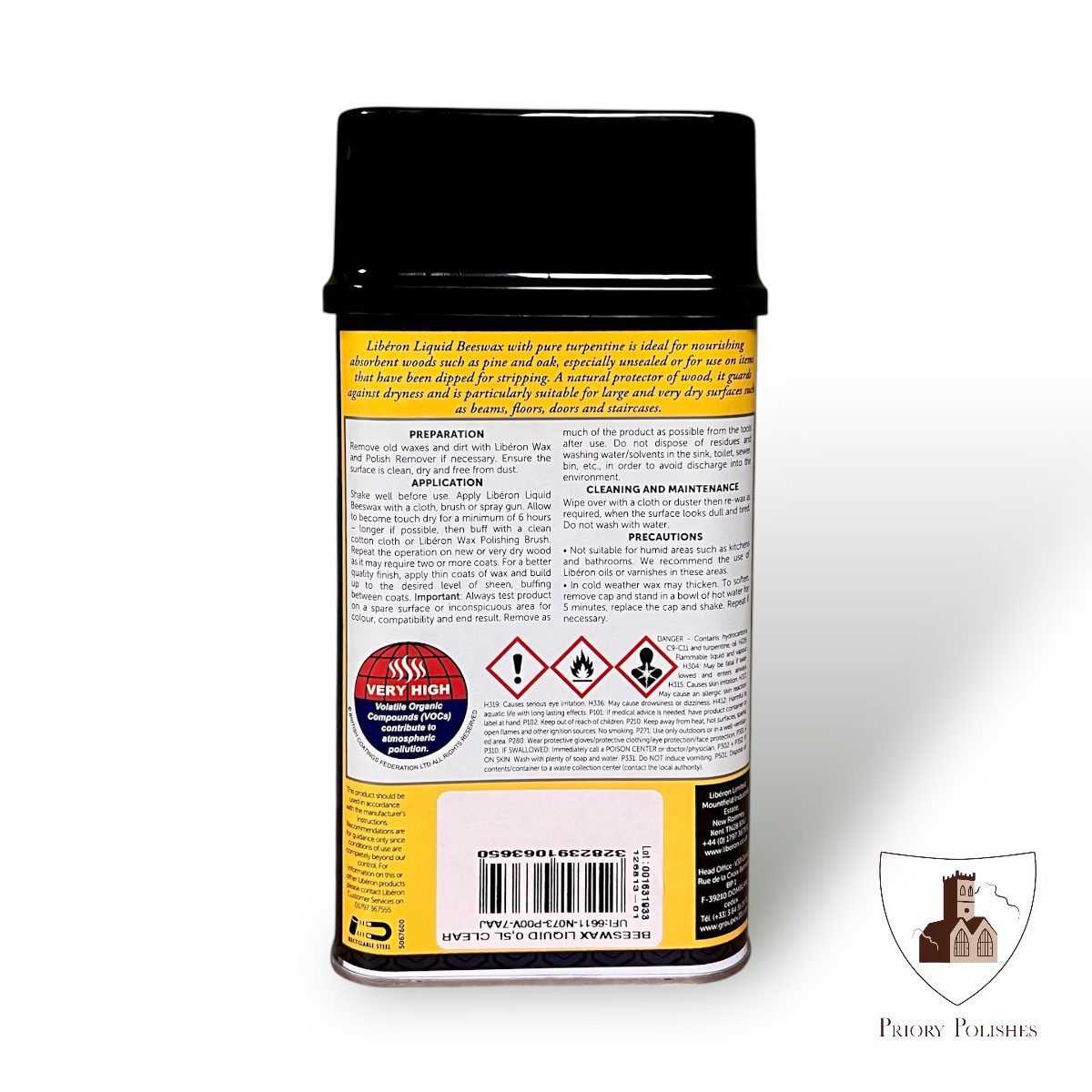
- Shake the tin extremely well before use.
- Apply Liberon Liquid Beeswax sparingly using a clean buffing cloth.
- Allow the wax to become touch dry.
- Once fully dry, buff with a clean buffing cloth.
- Use a wax polishing brush on awkward, carved or detailed areas if required.
- Apply additional thin coats as required.
- Buff between coats to build the desired sheen.
- Liquid Beeswax normally takes around six hours to become touch dry, although this can take longer depending on temperature.
How to Use Liberon Beeswax Paste
For the paste formulation, apply a small amount of Liberon Beeswax Paste sparingly to the clean, prepared surface using a soft cloth.
- Ensure the surface is clean, dry and properly prepared.
- Apply a thin layer of Beeswax Paste.
- Work the wax evenly over the surface.
- Allow the wax to dry.
- Buff with a clean lint-free cloth.
- Apply additional thin coats if a deeper finish is required.
- Buff between coats.
Thin coats are preferable to applying a heavy layer of wax. This gives better control over the final appearance and makes buffing easier.
Maintaining a Beeswax Finish
One of the benefits of a traditional wax finish is that it is straightforward to maintain.
Dust the surface regularly using a clean lint-free cloth or duster. If the furniture begins to look dull or tired, simply apply another thin coat of wax and buff it once dry.
A wax finish can be refreshed repeatedly as required.
Wax finishes are not waterproof, so avoid washing waxed furniture with water or household detergents. Do not use spray dusters on waxed furniture.
Frequently Asked Questions
What Finish will i achieve using Liberon Beeswax
Liberon Beeswax produces a traditional, natural-looking finish that enhances the character of the timber. The final sheen can be adjusted through the number of coats applied and the amount of buffing carried out. On antique furniture, this makes it possible to maintain a soft, traditional appearance rather than creating an overly glossy modern finish.
What is Liberon Beeswax with Pure Turpentine used for?
Liberon Beeswax with Pure Turpentine is used to nourish, protect and enhance wooden furniture and woodwork while creating a traditional wax finish.
What is the difference between Liberon Liquid Beeswax and Beeswax Paste?
Both are traditional beeswax products with pure turpentine, but the Liquid Beeswax has a thinner consistency that is particularly convenient for larger surfaces such as doors, panelling and beams. Beeswax Paste has a traditional paste consistency that provides greater control on furniture and smaller or detailed areas.
Can Liberon Beeswax be used on antique furniture?
Yes. Liberon Beeswax is particularly suitable for antique furniture and is ideal for maintaining traditional waxed finishes.
Can Liberon Beeswax be used on pine?
Yes. It is particularly suitable for pine furniture and other absorbent woods.
Can Liberon Beeswax be used on oak?
Yes. Liberon Beeswax is suitable for oak furniture and woodwork.
Can Liberon Beeswax be used on painted furniture?
Yes. It can be used on suitable painted furniture to enhance and protect the finish. Always test first on an inconspicuous area.
Can Liberon Beeswax be used on bare wood?
Yes. Traditional wax finishes can be applied directly to suitable bare wood, although the timber should be clean, dry and properly prepared first.
Can Liberon Beeswax be used on hardwood?
Yes. Liberon Liquid Beeswax is suitable for both softwoods and hardwoods.
Can Liberon Beeswax be used on softwood?
Yes. It is particularly suitable for absorbent softwoods such as pine.
Is Liberon Beeswax suitable for large surfaces?
Yes. The Liquid Beeswax formulation is particularly suited to large surfaces such as doors, panelling and beams.
How do I apply Liberon Liquid Beeswax?
Shake the tin thoroughly, then apply the Liquid Beeswax sparingly with a clean buffing cloth. Allow it to become touch dry, then once fully dry buff with a clean cloth or wax polishing brush.
How long does Liberon Liquid Beeswax take to dry?
It normally takes around six hours to become touch dry, although drying time can vary depending on temperature and conditions.
How many coats of Liquid Beeswax should I apply?
We recommend at least two thin coats, buffing between coats. Additional thin coats can be applied to increase the depth and sheen of the finish.
Can I apply more than two coats of Liberon Beeswax?
Yes. Additional thin layers can be applied to enhance the finish. Always buff between coats.
Is Liberon Beeswax waterproof?
No. Traditional wax finishes are not waterproof and are not suitable for areas exposed to regular moisture or washing.
Can I use household cleaner on waxed furniture?
No. Avoid washing a waxed surface with water, household detergents or cleaners. Regular dusting and re-waxing when required is the preferred method of maintenance.
Can Liberon Beeswax be used on doors?
Yes. Liquid Beeswax is particularly suitable for larger surfaces such as wooden doors.
Can Liberon Liquid Beeswax be used on wooden beams?
Yes. Liquid Beeswax is particularly suited to larger surfaces including wooden beams and panelling. Applying wax to newly sanded beams may darken the wood so always test first on an inconspicuous area first.
Can I use Liberon Beeswax on carved furniture?
Yes. A wax polishing brush can be useful for working the wax into carvings and removing excess from detailed areas.
What should I use to buff Liberon Beeswax?
Use a clean lint-free buffing cloth. A wax polishing brush can also be useful on carved, moulded or awkward areas.
What should I do if Liquid Beeswax becomes thick in cold weather?
In cold temperatures, Liquid Beeswax can thicken. We recommend removing the cap and standing the tin in a bowl of warm or hot water for approximately five to ten minutes, then replacing the cap and shaking well.
How do I maintain furniture treated with Liberon Beeswax?
Dust regularly with a lint-free cloth or duster. When the surface begins to look tired, apply another thin coat of wax and buff once dry.
Can Liberon Beeswax be used outdoors?
No. Traditional wax finishes are not suitable for humid or wet environments. An appropriate exterior wood oil or other exterior finish should be used instead.
Is Liberon Beeswax flammable?
Yes. Products containing turpentine are flammable and should be used in a well-ventilated area. Keep away from sources of ignition and follow the safety information supplied with the product.
Should I wear gloves when using Liberon Beeswax?
Yes. Protective gloves should be worn when using the product.
Can oily or wax-contaminated cloths be dangerous?
Yes. Contaminated cloths and other materials should be handled and disposed of carefully in accordance with the product safety information. Never leave contaminated cloths in a pile or bundle.
Where can I buy Liberon Beeswax with Pure Turpentine?
Priory Polishes supplies Liberon Beeswax with Pure Turpentine in both Liquid and Paste formulations, making it easy to choose the most suitable version for your furniture restoration or wood finishing project.
Please note –
In cold temperatures, the Liberon Liquid Wax may thicken. To soften, remove the cap and stand in a bowl of warm / hot water for around five to ten minutes. Replace the cap and shake well.
Once you are happy with the results, for future maintenance simply dust the surface with a lint-free cloth or duster. If the surface starts to look tired simply re-wax again as you can do this as many times as needed.
Please note with all waxes, it is not waterproof so do not wash the finished surface with water or household cleaners and detergents. Do not use spray dusters, simply re-wax when necessary.
Always test in a small inconspicuous area first to ensure you are happy with the results.
Always wear protective gloves when using this product.
Customer Examples:
Health and Safety
Flammable. Irritating to eyes and skin. May cause skin sensitisation by skin contact. Harmful to aquatic organisms, may cause long-term adverse effects in the aquatic environment. Harmful: may cause lung damage if swallowed. Keep out of the reach of children. In case of contact with eyes, rinse immediately with plenty of water and seek medical advice. Do not empty into drains. Wear suitable protective clothing and gloves. Use only in well ventilated areas. If swallowed, do not induce vomiting: seek medical advice immediately and show this container or label.
Safety Data Sheets
Additional information
| Weight | N/A |
|---|---|
| Type | Liquid, Wax Polish |
2 reviews for Liberon Beeswax with Pure Turpentine – 500ml
You may also like…
-

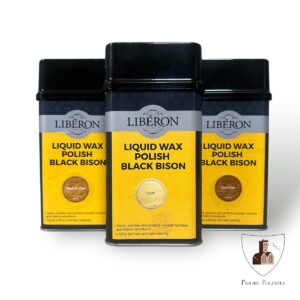
Liberon Liquid Wax Polish Black Bison – 500ml
£14.00 Select options This product has multiple variants. The options may be chosen on the product page -

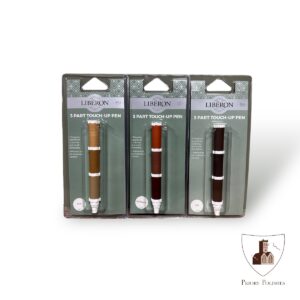
Liberon 3 Part Touch-Up Pens – Colour Scratches on Wood
£10.99 Select options This product has multiple variants. The options may be chosen on the product page -

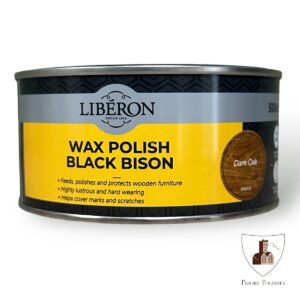
Liberon Wax Polish Black Bison Paste – 500ml – Dark Oak
£14.00 Add to basket -

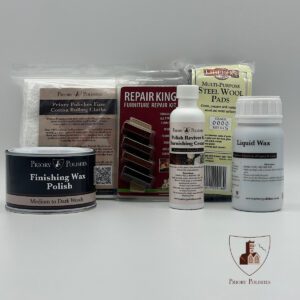
Antique Furniture Polishing Restoration Kit
£49.99 Select options This product has multiple variants. The options may be chosen on the product page


Chris C. (verified owner) –
Problem free and quick delivery.😊
Anonymous (verified owner) –