Chestnut Friction Polish 500ml | High Gloss Woodturning Finish
£21.30
Chestnut Friction Polish is a premium shellac-based wood polish that delivers a rich, high-gloss finish in seconds. Ideal for woodturning, pens, bowls, decorative projects and fine woodworking, it enhances the natural beauty of timber while sealing the surface for a smooth, professional result.
- Suitable for use on or off the lathe
- Fast-drying friction polish
- Easy to apply
- Works exceptionally well over a sanding sealer
- Creates a deep, mirror-like shine.
UK FREE delivery on all orders over £24
11 in stock
Description
Chestnut Friction Polish is a fast-drying, shellac-based wood polish designed to produce a rich, high-gloss finish on timber. It is particularly popular for woodturning, pens, bowls, boxes and other small decorative woodworking projects.
The friction polish enhances the natural colour, grain and figure of the timber while creating a smooth, glossy protective surface. When applied on a spinning lathe, the heat generated by friction helps the polish cure almost instantly, allowing several coats to be built up quickly.
Chestnut Friction Polish can also be applied by hand to projects that cannot be finished on a lathe, using traditional polishing techniques.
- Why Choose Chestnut Friction Polish?
- What Can Chestnut Friction Polish Be Used On?
- Chestnut Friction Polish for Woodturning
- Chestnut Friction Polish for Pens
- Compatible Products
- How to Apply Chestnut Friction Polish
- Using Friction Polish on the Lathe
- Using Friction Polish Off the Lathe
- Technical Information
- Benefits of Chestnut Friction Polish
- Chestnut Friction Polish vs Other Wood Finishes
- Frequently Asked Questions
Why Choose Chestnut Friction Polish?
Chestnut Friction Polish is ideal when you want to achieve a high-gloss wood finish quickly, particularly on turned timber and smaller decorative projects.
- Rich, high-gloss finish
- Fast-drying shellac-based formula
- Ideal for woodturning
- Suitable for use on or off the lathe
- Easy to apply
- Enhances natural wood grain and figure
- Multiple coats can be built quickly
- Creates a smooth, polished surface
- Ideal for pens, bowls, boxes and ornaments
- Suitable for hardwood and softwood
What Can Chestnut Friction Polish Be Used On?
Chestnut Friction Polish is particularly suited to smaller woodworking and woodturning projects where a highly polished decorative finish is required.
- Woodturning projects
- Wooden pens
- Bottle stoppers
- Bowls
- Goblets
- Decorative boxes
- Spindles
- Christmas decorations
- Wooden gifts
- Ornaments
- Craft projects
- Display pieces
- Small furniture details
Chestnut Friction Polish for Woodturning
Chestnut Friction Polish is a popular finish for woodturners because it produces a deep, glossy finish in a very short time.
When applied to a spinning piece of timber, the friction generated between the cloth and the wood creates heat, helping the shellac-based polish cure almost instantly. This allows additional thin coats to be applied quickly.
It is particularly effective on smaller turned projects such as pens, bottle stoppers, bowls, goblets, boxes and ornaments.
Chestnut Friction Polish for Pens
Chestnut Friction Polish is an excellent finish for wooden pens. Its fast-drying formulation allows multiple coats to be applied quickly while the pen is turning on the lathe.
The resulting high-gloss finish highlights the natural grain and figure of the timber and gives handmade pens a smooth, professional appearance.
Compatible Products
For the best results, Chestnut Friction Polish can be used after a suitable sanding sealer.
- Chestnut Cellulose Sanding Sealer
- Chestnut Acrylic Sanding Sealer
- Chestnut Burnishing Cream
Using a sanding sealer first can help create a smoother surface, reduce absorption and improve the depth and clarity of the finished polish.
Once the Friction Polish has cured, the Burnishing Cream can be used to further enhance the smoothness and gloss.
How to Apply Chestnut Friction Polish
For the best results, prepare the timber carefully before applying the Friction Polish. Sand the surface smooth and remove all dust before finishing.
A sanding sealer can be applied first where required to provide a smoother base and reduce absorption.
Using Friction Polish on the Lathe
- Sand the timber thoroughly until smooth.
- Remove all sanding dust.
- Apply a suitable sanding sealer if required.
- Allow the sealer to dry and buff it smooth.
- Apply a small amount of Friction Polish to a clean, lint-free cloth.
- With the lathe running, lightly press the cloth against the timber.
- Allow the friction to generate heat and cure the polish.
- Apply additional thin coats to build the desired level of gloss.
Take care when using a cloth on a spinning lathe. Keep loose material away from the rotating equipment and follow appropriate workshop safety procedures.
Using Friction Polish Off the Lathe
Chestnut Friction Polish can also be applied by hand to suitable wooden surfaces and projects that cannot be finished on a lathe.
- Ensure the timber is clean, dry and smoothly sanded.
- Apply a small amount of Friction Polish to a clean lint-free cloth.
- Rub the polish into the timber using smooth, controlled movements.
- Continue polishing until the surface develops a high shine.
- Repeat with thin coats if a deeper finish is required.
Technical Information
Product Type: Friction Polish
Base: Shellac
Finish: High Gloss
Application: Cloth, On the Lathe or Off the Lathe
Drying: Almost instant when used with friction on a spinning lathe
Suitable For: Hardwood, Softwood, Decorative Timber and Interior Woodwork
Recommended Projects: Pens, Bowls, Boxes, Goblets, Ornaments and Small Turned Items
Size: 500ml
Benefits of Chestnut Friction Polish
Using Chestnut Friction Polish provides several benefits when a high-gloss decorative finish is required.
- Produces a rich professional shine
- Highlights natural wood grain
- Dries exceptionally quickly on the lathe
- Allows multiple coats to be built rapidly
- Easy to refresh or repair
- Ideal for smaller turned items
- Creates a smooth, glass-like appearance
- Excellent decorative woodturning finish
Chestnut Friction Polish vs Other Wood Finishes
Chestnut Friction Polish is primarily designed for projects where appearance and a high-gloss finish are the main priorities.
It is particularly effective on small turned items because it can be applied and cured extremely quickly while the piece is rotating on a lathe.
For surfaces that receive heavy wear, prolonged moisture exposure or regular handling, a more durable lacquer or hard-wearing oil finish may be more appropriate.
For decorative woodturning, pens, ornaments and display pieces, however, Chestnut Friction Polish provides a quick and attractive high-gloss finish.
Frequently Asked Questions
What is Chestnut Friction Polish?
A shellac-based wood polish designed to produce a rich, high-gloss finish, particularly on woodturning projects and smaller decorative wooden items.
Is Chestnut Friction Polish suitable for woodturning?
Yes. It is particularly suited to woodturning and is widely used for pens, bowls, goblets, boxes, ornaments and other turned timber.
Can Chestnut Friction Polish be used without a sanding sealer?
Yes, although using a suitable sanding sealer first can provide a smoother base, reduce absorption and help produce a deeper, clearer finish.
Can Friction Polish be used off the lathe?
Yes. It can be applied by hand using a clean lint-free cloth, although achieving the same rapid curing effect as friction on a spinning lathe is more difficult.
How many coats of Friction Polish should I apply?
Two to four thin coats will usually produce an excellent high-gloss finish. Additional coats can be applied where a deeper finish is required.
Can Friction Polish be used on pens?
Yes. It is an excellent choice for wooden pens and other small turned items because multiple coats can be applied quickly while the pen is rotating on the lathe.
Can Friction Polish be used on bowls?
Yes. It is suitable for bowls and other turned wooden vessels, although it is generally easiest to achieve an even finish on smaller projects.
Can Chestnut Friction Polish be used on hardwood and softwood?
Yes. It can be used on many hardwoods and softwoods and helps enhance the natural grain, colour and figure of the timber.
Is Chestnut Friction Polish durable?
It provides an attractive decorative finish that is particularly suitable for display items and light-use projects. For surfaces exposed to heavy wear or prolonged moisture, a more durable lacquer or oil finish may be preferable.
Can I use Burnishing Cream with Friction Polish?
Yes. Burnishing Cream can be used after the polish has cured to further enhance the smoothness and gloss of the finished surface.
Does Chestnut Friction Polish seal wood?
Yes. The shellac content helps seal the timber while producing the characteristic high-gloss decorative finish.
Additional information
| Weight | 0.5 kg |
|---|
You may also like…
-

Chestnut Acrylic Lacquer | Water-Based Gloss Finish
Price range: £15.30 through £27.60 Select options This product has multiple variants. The options may be chosen on the product page -
Chestnut Cellulose Sanding Sealer | Fast Drying Wood Sealer
Price range: £14.70 through £26.40 Select options This product has multiple variants. The options may be chosen on the product page -
Chestnut Microcrystalline Wax 225ml | Hard Wearing Wood Wax
£14.40 Add to basket -
Chestnut Rainbow Wax 50g | Metallic Coloured Wood Finishing Wax
£8.70 Select options This product has multiple variants. The options may be chosen on the product page


Related products
-
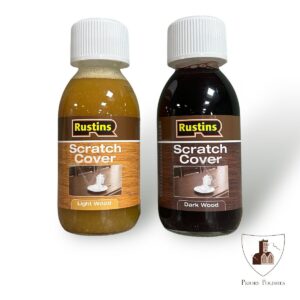
Rustins Scratch Cover – Covers Scratches on Wood
£6.29 Select options This product has multiple variants. The options may be chosen on the product page -
Liberon Liming Wax – For a Whitewash Effect
Price range: £13.95 through £19.99 Select options This product has multiple variants. The options may be chosen on the product page -
Repair King furniture Care Pack – Wax Filler Sticks
£10.00 Select options This product has multiple variants. The options may be chosen on the product page